A reflection as a DRAPAC26 Fellow
Arul Prakkash, Independent Expert on Video and Technology for Human Rights
I’m writing this at a time when many of us are feeling the ground shift beneath our feet. Funding is challenging, jobs are disappearing, and organisations that many of us built our lives around are struggling just to sustain themselves. I don’t want to dwell on the numbers here. What I want to hold onto instead is why any of this still matters to me and why we keep showing up for each other, camp after camp, conference after conference, crisis after crisis, even when it costs us safety, income, or peace.
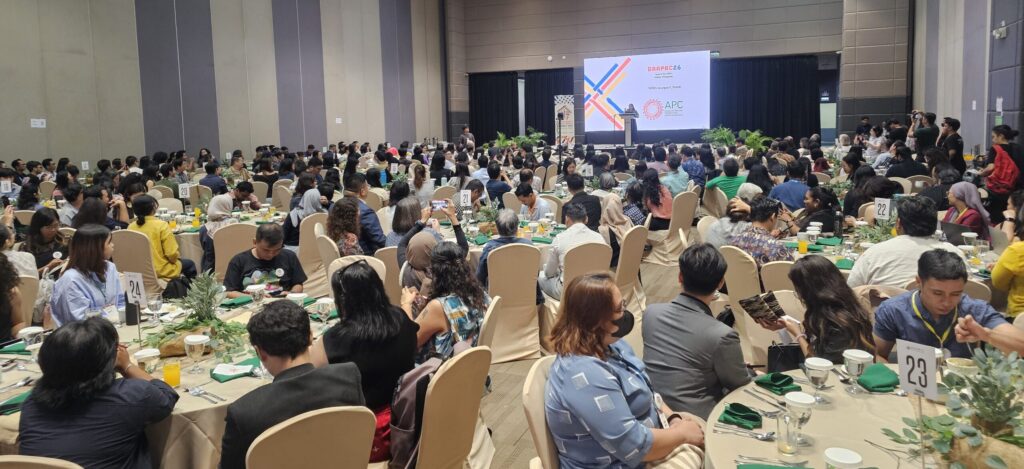
DRAPAC26, the fourth Digital Rights Asia-Pacific Assembly, took place in Manila from June 8 to 10, 2026. Hosted by EngageMedia, the Foundation for Media Alternatives, and DAKILA, it brought movements together around the theme Resilient Digital Futures and the idea of Building the Commons. After Chiang Mai, Taipei, and Kuala Lumpur, Manila became another space for us to meet, strengthen solidarity, and imagine shared resources that movements can sustain beyond funding cycles and changing platforms.
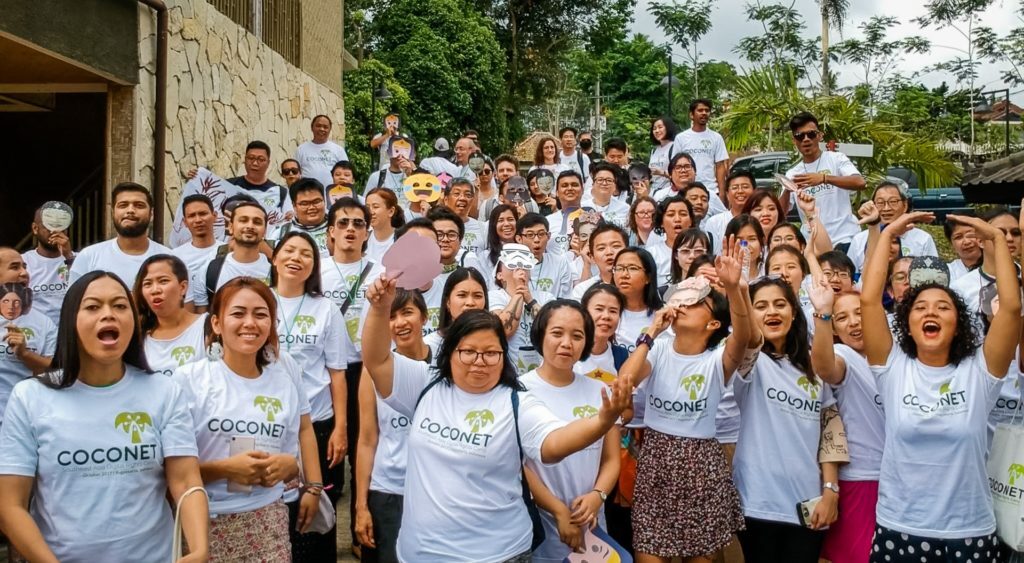
I did not walk into DRAPAC26 in Manila as someone new. I walked in carrying almost twenty years of camps, meetings, and relationships built with people like us. There was Transmission Asia-Pacific in Sukabumi, Indonesia, in 2008, Camp Sambel in Malang, Indonesia, in 2010, Camp Sambel 2 in 2012, COCONET in Yogyakarta, Indonesia, in 2017, and COCONET II in Antipolo, Philippines, in 2019. Then came DRAPAC itself in Chiang Mai, Thailand, Taipei, Taiwan, Kuala Lumpur, Malaysia, and now Manila, Philippines, in 2026. Sitting in that room as a Fellow was not just about attending an assembly. It was about watching solidarity turn into action again and again through a movement that many of us helped build and shape, and that is still building itself. I feel privileged and humbled to have been part of every one of these camps, meetings and DRAPAC assemblies since 2008.
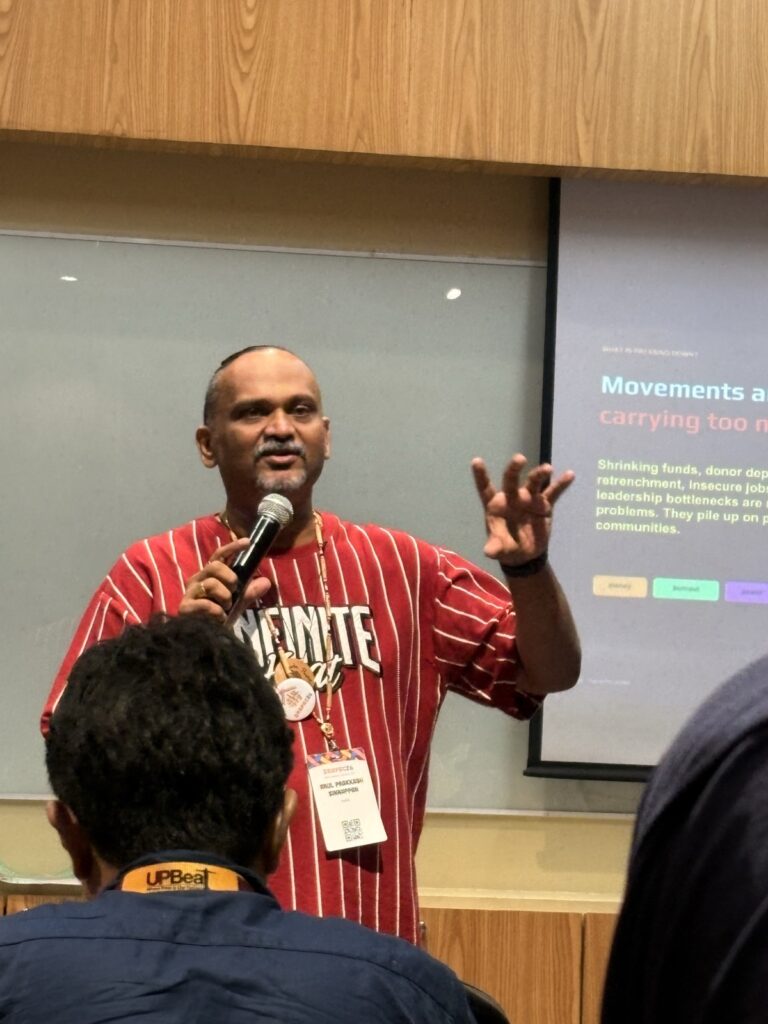
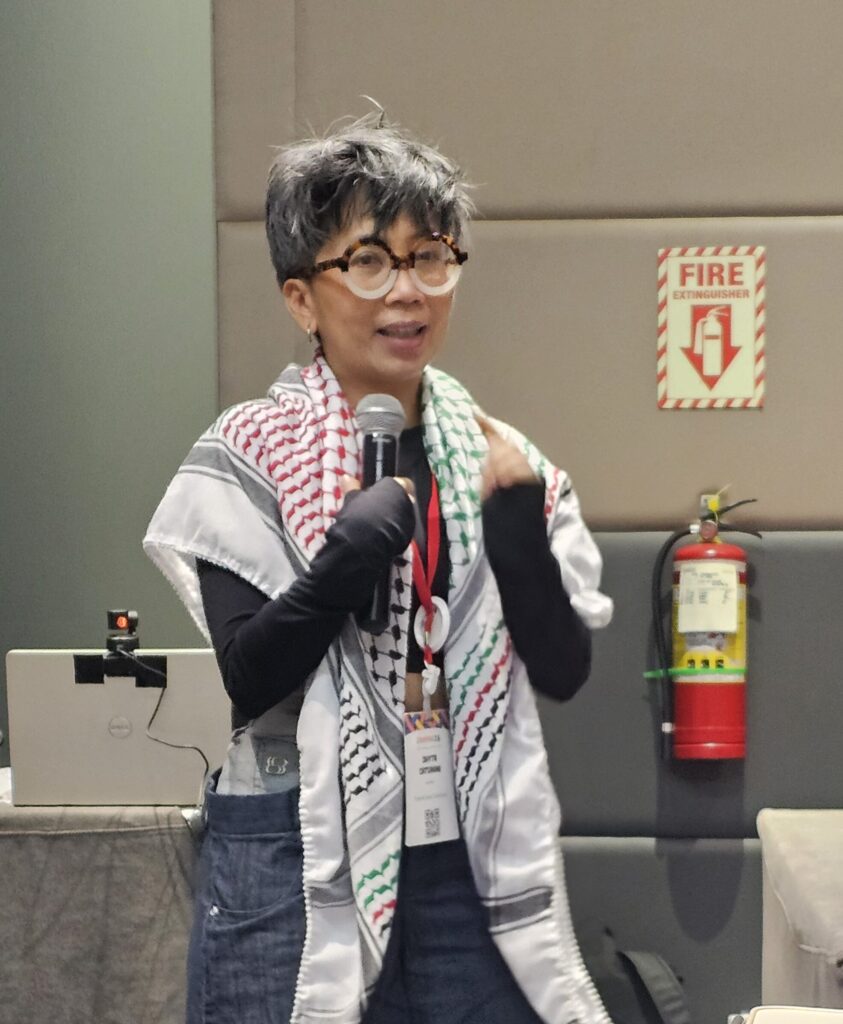
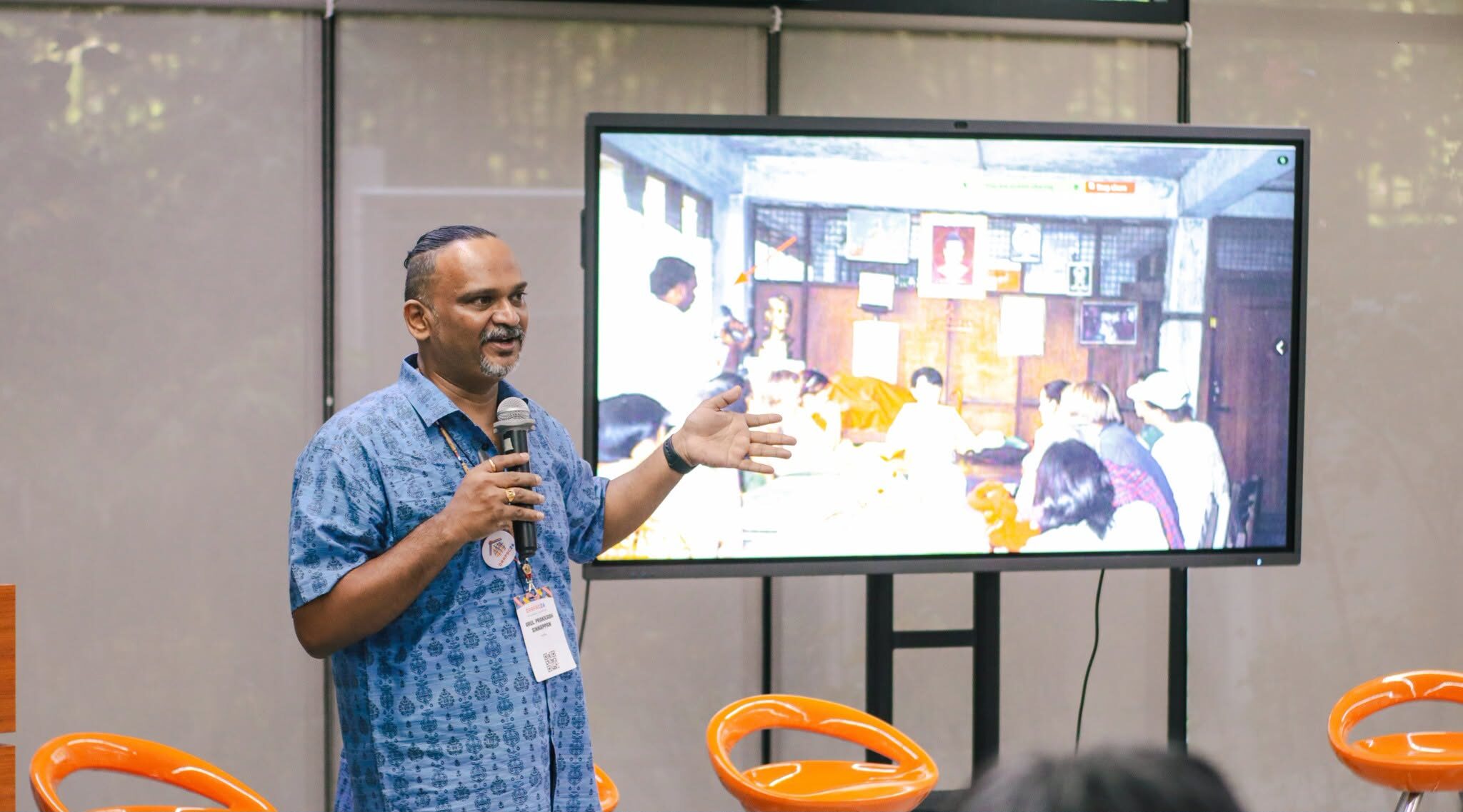
On the second day of the assembly, I co-facilitated a session called NGO Crisis to Movement Power with Dhyta Caturani from PurpleCode Collective. We asked a simple but hard question about what can carry a movement forward when funding keeps shrinking, burnout and job loss keep piling up, and old ways of organising are no longer holding up. We didn’t come with one answer. We came together with organisers and practitioners in the room and looked honestly at what is failing and what is starting to work, including collectives, cooperatives, shared funds, community support networks, and the careful use of new tools like crypto funding. We also looked at what it would take to make any of it fair and lasting. By the end, we were not just naming the crisis. We were mapping ways forward that we actually get to decide for ourselves. DRAPAC26 brought different generations of activists and changemakers into the same rooms. The assembly brought us together, but it was the solidarity, friendship, and support that stayed with us.
From what I remember, it started around May 2008 in Sukabumi, Indonesia, at Transmission Asia-Pacific. Video activists and free software people came together to try something new, using online video to fight for social justice and media democracy. It was still early days, and streaming video for activism was a strange and risky idea. It was not something we could count on, and the technology itself was shifting under us almost as fast as the questions we were asking of it. Two years later, Camp Sambel brought activists from Indonesia, Malaysia, East Timor, and West Papua together in Malang, Indonesia, in June 2010. By Camp Sambel 2 in February 2012, the group had grown again, this time with people from Indonesia, Malaysia, the southern Philippines, southern Thailand, Singapore, and East Timor. The questions were changing too. It was no longer just about how to get video out there, but how to do it safely without putting the people whose stories we tell at risk.
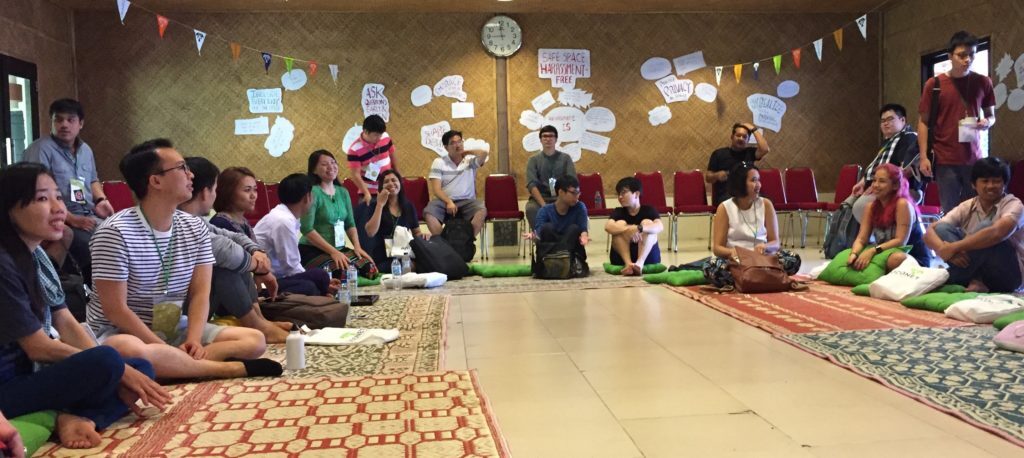
But I keep coming back to COCONET, the Southeast Asia Digital Rights Camp held in Yogyakarta in 2017. Something had shifted by then. It brought together human rights defenders, video activists, NGOs, grassroots communities, artists, technologists, and other frontline groups from across the region. We were no longer just exchanging tools and practical support. We were beginning to build a wider digital rights field with its own language, relationships, and regional identity. It grew from earlier community media and human rights work, but it was also becoming something broader. We started confronting digital repression more directly and asking how technology, surveillance, censorship, and online harm were affecting movements and communities across the region.
By COCONET II in Antipolo, Philippines, in 2019, that field had grown. The conversations went deeper into digital repression, platform accountability, AI harm, online threats, protest movements, internet shutdowns, and censorship. I saw real campaign strategy and solidarity being built there, along with plans for how to keep supporting each other after the camp ended. I still remember how campaigns were activated after COCONET II when a fellow participant was detained after returning to their own country. That thread of tools, videos, and campaign strategy carried straight into deeper movement building for digital rights across Asia Pacific, and it’s the same thread that runs into DRAPAC26.
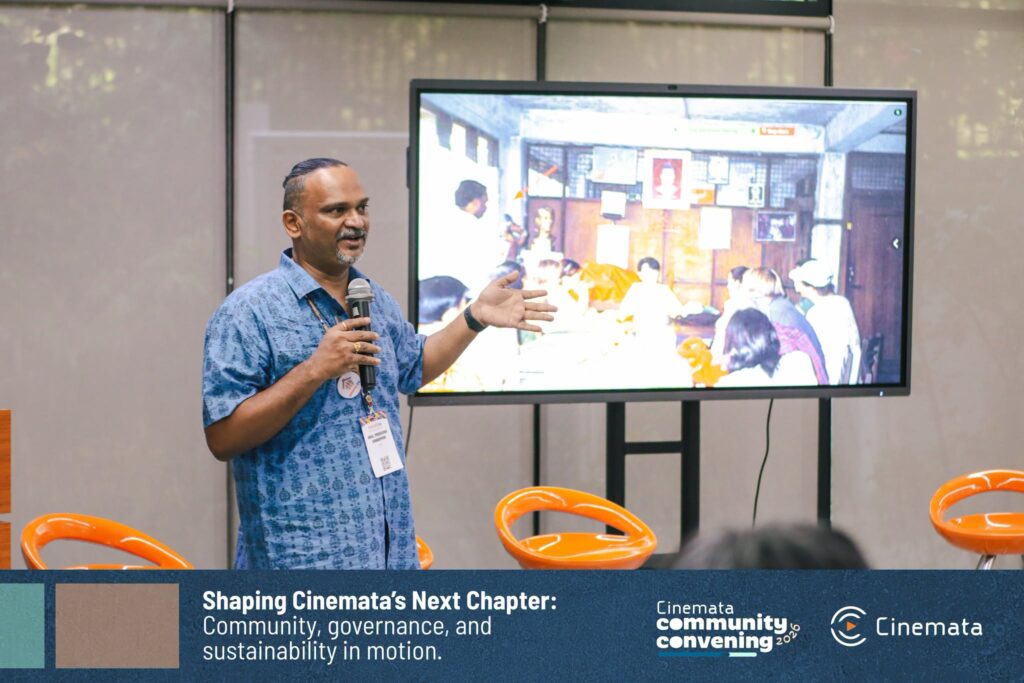
On June 10, at the Cinemata Community Convening, I gave the opening keynote speech, From Bearing Witness to Building the Commons. That speech drew on over two decades of work with Pusat KOMAS and WITNESS across Malaysia and Asia Pacific. It was where all of it came together in one room. I talked about how, through decades of working with communities across the region as they faced real threats and defended their human rights, I came to believe in the camera as a tool for resistance. Those years at Pusat KOMAS taught me that video is never neutral. The moment you choose to film someone’s testimony, you have already picked a side.
I talked about carrying that same conviction into WITNESS and about 2012 in Yogyakarta, when thirteen groups sat in one room and decided to stop working alone. That decision became the Video4Change Network, including the trainings, the toolkits, Camp Chindwin in Myanmar, and eventually the platform we now call Cinemata. It was overwhelming to stand there and remember it all, including fellow activists who gave their lives to this struggle, some imprisoned and some still fighting despite every risk they face. Standing in that room in 2026, I was not telling someone else’s history. I was one of the people who helped build the thing we were talking about, and I was carrying all of them with me.
If there is one thread running from Sukabumi in 2008 to Manila in 2026, it is that none of it was really about the technology. Streaming tools change, and platforms rise and lose their funding, but solidarity remains. The plain and unglamorous work of showing up for each other across borders, funding cycles, and political crackdowns is what actually holds this movement up. Every camp was solidarity in action before it was ever solidarity in words. Activists taught each other how to stay safe because no one else would teach them, and communities trusted strangers with a camera because staying silent was worse.
The question of what can carry a movement forward followed me through the rest of DRAPAC26, in the sessions after the keynote, in my own workshop on the second day, and in every hallway conversation about what comes next for groups like ours. No single perfect model replaces the NGO. The answer, as I heard it echoed across Manila, is many things working together, including an NGO here, a collective there, cooperative services, mutual aid, shared tools, and people holding each other accountable. What matters most is who holds the power, not who does the work. For any group, we need to ask who decides, who benefits, who is protected, and who can call out abuse.
Funding and sustainability have to change too, and this came up strongly in my own session and across the assembly. Diaspora support, membership contributions, solidarity businesses, shared funds, and skill-sharing can all help movements reduce their dependence on a single funder. Digital and blockchain-based fundraising may also have a role, but only where there is a real need, legal safeguards, secure systems, community agreement, and a clear exit plan if it fails. People and power must come first, and technology second.
These are the things I carried out of Manila and back into the rest of my work. Resources should support movements, not control them. I have seen good work reshaped to fit what funders wanted to see, and I do not want that for the people coming after me. Care is not an extra but part of how movements survive. Camp Sambel taught me that through questions of safety in 2010, and our sector is learning it again through burnout today.
Power also has to be shared and checked, and those who hold it must be accountable. Video4Change showed what could happen when organisations chose to collaborate rather than work alone, while collectives, cooperatives, mutual aid, and commons offer other ways of sharing resources and responsibility. Whether it takes the form of a camp, conference, meeting, or assembly, the deeper work remains the same. Over almost twenty years, I have watched this region build a mix of NGOs, networks, collectives, cooperatives, and community-led support. What once emerged through necessity can now become a deliberate choice about how we sustain movements.
None of this ends in Manila. Solidarity is not a moment or a slogan but a practice built through struggle, resistance, care, and the decision to keep showing up for one another. It lives in camps, meetings, conferences, assemblies, and crises, wherever people come together to defend their communities and imagine something better. Movements are not built by institutions alone. They are built through relationships, shared risks, collective memory, and the courage to continue. The form may change, and the struggle may take us into different rooms, but solidarity is how we keep building movements and carrying them forward.